Formerly “Tickets”
At the box office
How a seventy-five-seat basement theatre sold its seats, and what a night there cost.
There is no box office. The Denver Victorian Playhouse closed in 2011 and the room was dismantled. Nothing on this page can be bought and no booking route described here still exists. It is kept as a record of how a very small theatre sold its seats.
For most of its final six years the Vic ran the simplest box office imaginable: a telephone line with an answering machine on it. You said which date you wanted, how many seats, and a number to confirm on. Somebody rang you back. There was no allocated seating, because with seventy-five seats in three shallow raked rows there is not much to allocate.
Subscriptions, compliments and held seats
The ticket information does not say whether the Vic kept a subscription list, so it is useful to separate its known prices from the customs of small houses generally. A subscription usually exchanged advance commitment for a regular night, preferred places or a modest saving across several productions. For a tiny room, the greater value was predictability: returning patrons made likely attendance easier to judge before single tickets were reserved.
Complimentary tickets served a different purpose. They might be set aside for reviewers, guests or visiting theatre people. House seats were simply places withheld from ordinary booking until late in the process, often to solve a seating problem or meet a professional obligation. Neither category meant an empty chair; if a held place was not needed, a careful box office could release it.
These practices required restraint in a seventy-five-seat room. A pair of seats held too long represented a noticeable share of the house, while an overgenerous complimentary list could displace paying patrons. The answering-machine method described here sounds informal, but it also put each request in a human queue. Someone could balance regulars, groups, guests and late changes before confirming the count, which is one way small theatres managed scarcity without a complex booking system.
What a ticket cost
The theatre’s published prices in the late 2000s were $22 for adults and $20 for students and seniors, with group discounts available. Adjusted for inflation that is roughly thirty dollars today, which is about a third of what a seat at a mid-sized regional house cost in the same period. The economics of the room made that possible: no mortgage on a purpose-built theatre, no front-of-house staff to speak of, and a producer who frequently appeared in the play.
The interval
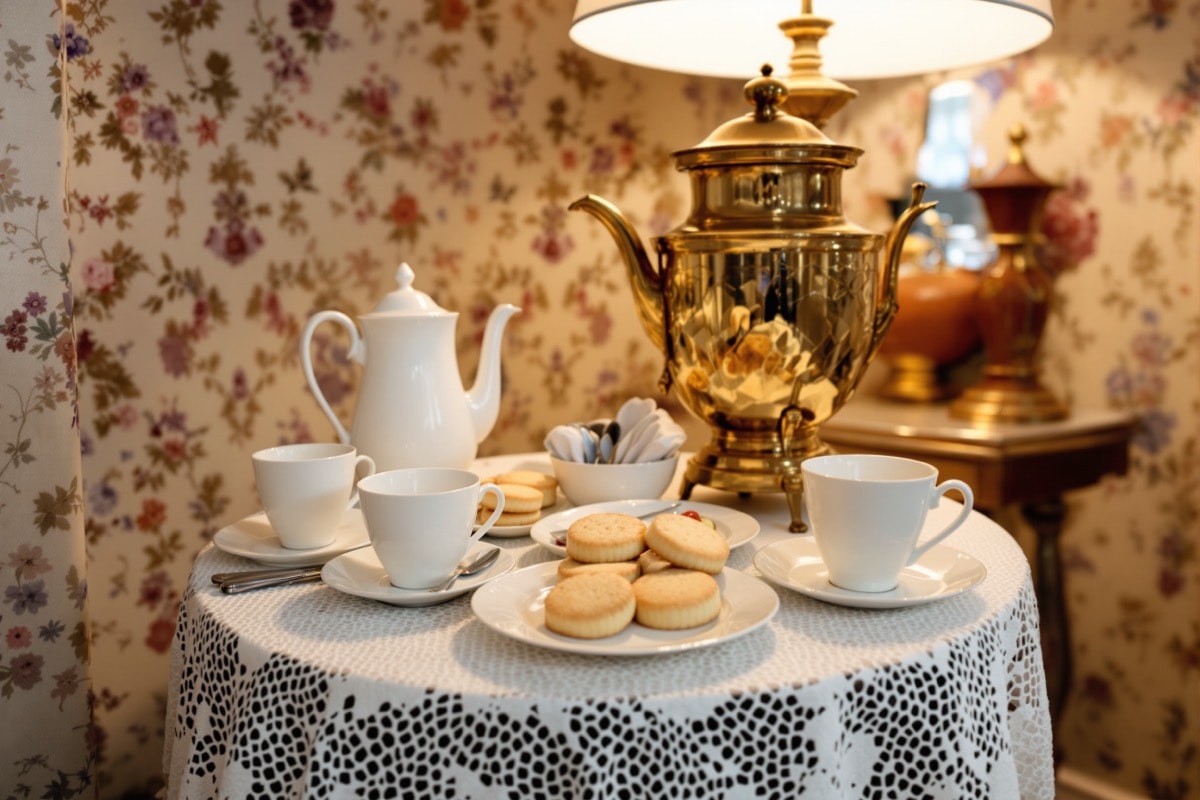
Audiences went up out of the basement at half-time into the living room of the house, where tea, coffee and cookies were served. The tradition dated back to Paul Willett’s management in the 1960s and 1970s and survived every subsequent change of owner; Westword singled it out when it named the theatre Best Theatrical Resurrection in 2006. There was one lavatory in the building, which meant that in practice the length of any interval was set by the length of the queue.
Dinner and a show
For a period the theatre ran a joint package with a nearby Italian restaurant: a set menu with three main courses to choose from, soup or salad, a soft drink, dessert and the gratuity, plus a ticket to the show, for a single price of forty to forty-five dollars a head. Arrangements of this kind are common between small theatres and neighbouring restaurants, and for a venue with no bar and no catering of its own it is the cheapest way to make an evening out of a two-hour play.
Online booking, eventually
In 2009 the Vic announced it had joined an online ticketing service, so that seats could be booked over the web rather than by telephone. For a theatre that had been taking reservations on an answering machine since 2005 this was a genuine modernisation, and it arrived about two years before the room closed. By 2010 the house was also promoting productions with video trailers and local television segments — which, as it turned out, is not how a theatre behaves when it expects to shut.
Performance times
The standard pattern for most of the run was Friday and Saturday at 7.30pm with a Sunday matinee, the matinee moving between 2pm and 6pm at different points in the theatre’s history. Runs were long by small-house standards — typically six to eight weeks — which is how a seventy-five-seat room reaches an audience of any size at all. A sold-out eight-week run at the Vic is about 1,800 people, which a 500-seat house does in four nights.
What was on those nights is set out in the production index and the season calendars.